June DePonte Senak: Hope Has New Home At Obama Presidential Center
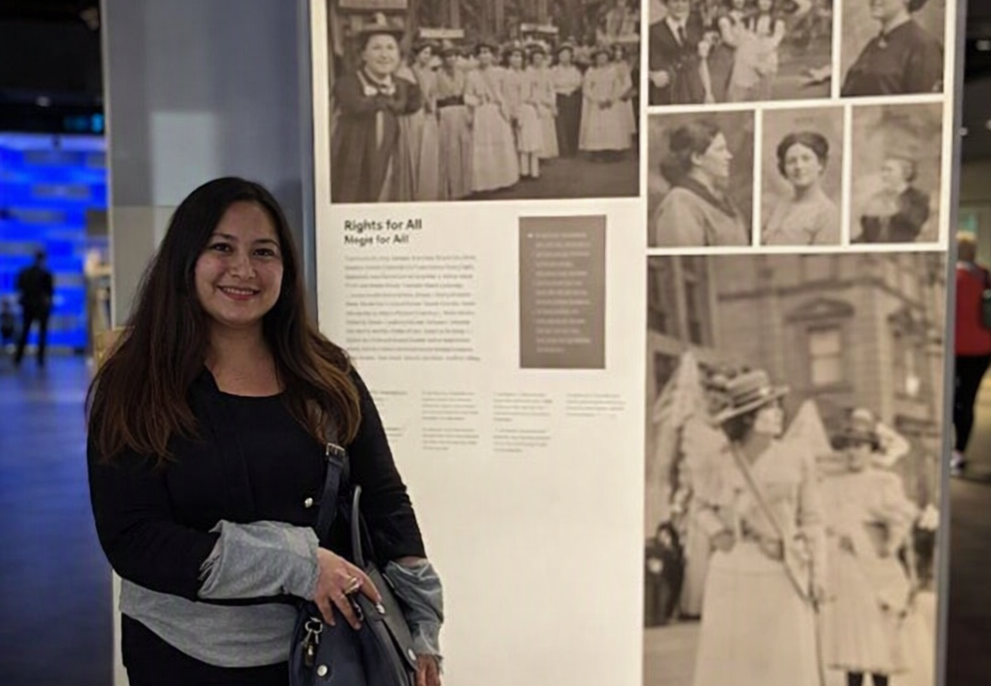
Photo courtesy of Dr. June DePonte Sernak
OP-ED
DR. JUNE DePONTE SERNAK | Contributing Cultural Anthropologist
CHICAGO — History repeats itself. The diverse ways humans live and communicate come from a vast array of societies, cultures and geographies.
Both of my grandmothers were born in 1911 before the Pandemic of 1918, the Women’s Right to Vote in 1920, the food lines of the Great Depression in 1929 and the protests of the Civil Rights Movement in the 1960’s.
In recent years, we have experienced isolation during Covid, the fight for equality ratifying the Equal Rights Amendment, increased food insecurities and a rise in protests for social justice.
With each tumultuous event, mental health conditions have become increasingly more common. According to NAMI, 60 million (23.4%) adults and 1 in 7 youth experience mental illness in the U.S.
Hope is the active mindset for mental health recovery. Hope is an internal belief triggering endorphins lowering stress levels and increasing the power of motivation to persist through setbacks and create a pathway to resilience.
In June of 2026, a beacon of HOPE was unveiled in Jackson Park on Chicago’s South Side. The Obama Presidential Center is a 19.3-acre museum, library and civic campus including a 225-foot museum tower, a 300-seat auditorium, a 45,000 sq ft athletic facility and the Obama Presidential Library. The museum features 8 floors of hundreds of artifacts in an immersive experience representing the most significant events in American History.
The OPC was created with an inclusive lens respectfully narrating trials and triumphs of every diverse culture and society that make our Nation great. Each exhibit exudes the resilience of historic icons and the HOPE of a Nation. On May 27, 2026, we were honored to be invited to tour the OPC prior to the public opening on Juneteenth as representatives from the Alice Paul Center for Gender Justice.
As one of less than 4% of the National Historic Sites dedicated to women, the Alice Paul Center is the childhood home of Suffragist, Alice Paul. Her childhood home known as Paulsdale is in Mount Laurel, exhibits the legacy of Alice’s pursuit of the women’s right to vote in 1920 and the creation of the Equal Rights Amendment.


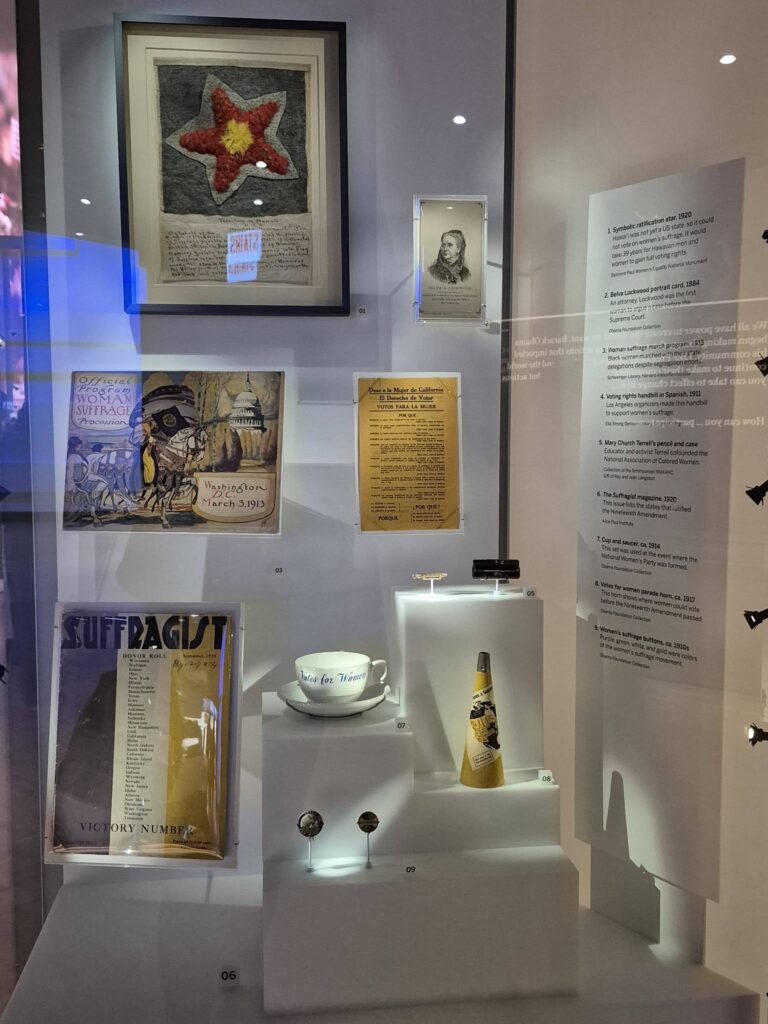
As the first Native American Board Chair of the Alice Paul Center, I was honored to accompany the Executive Director, Rachael Glashan Rupisan, to Chicago to preview artifacts from the Alice Paul Center on display at the Obama Presidential Center including Alices’ 1920 addition of the Suffragist Magazine.
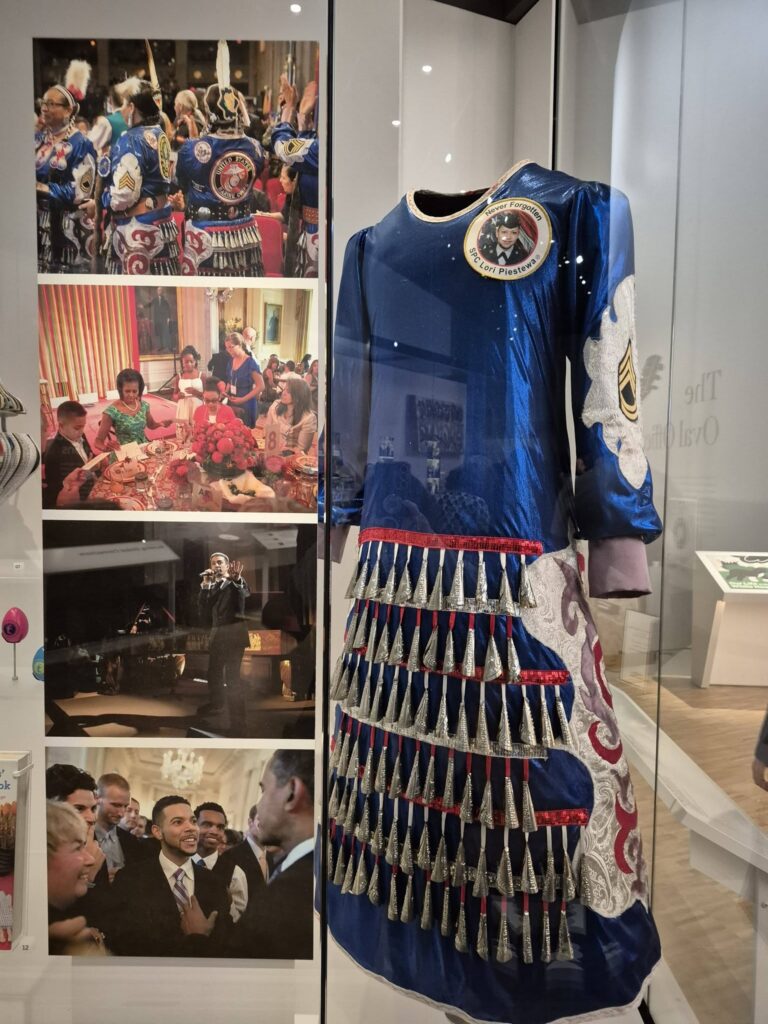
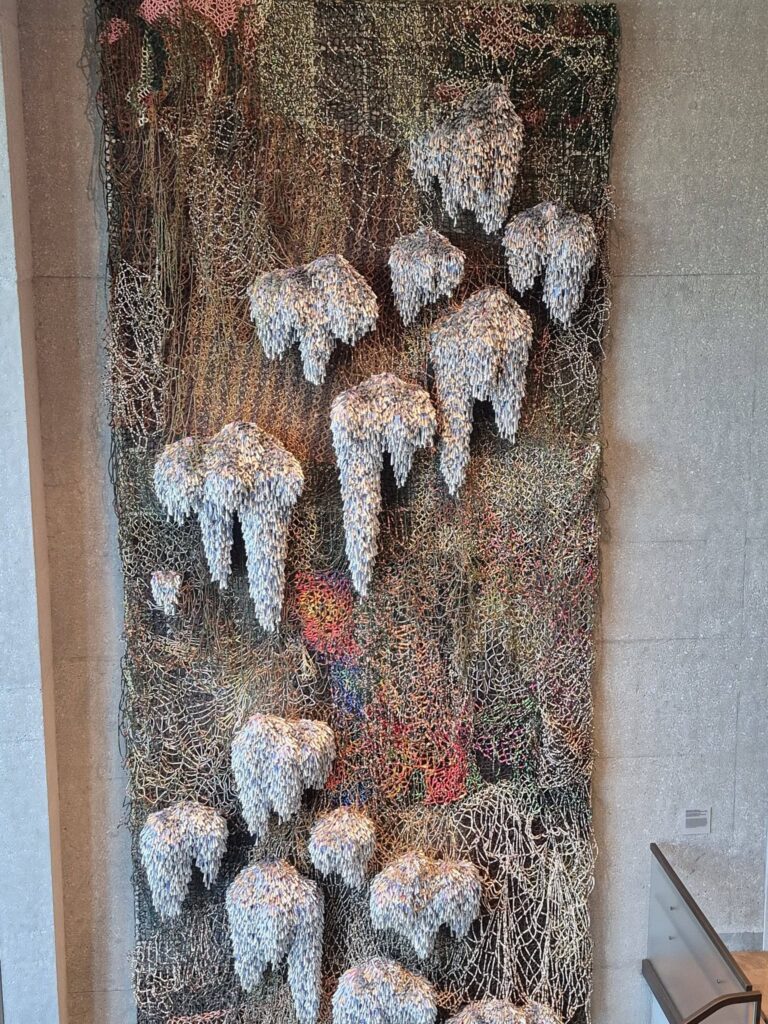
The tour began with the history of the architecture a decade in planning. As we entered the museum, a multi-story 45-foot multimedia textile piece titled “This Land, Shared Sky,” showcased Indigenous and Black material traditions using beaded nets and silver sculptural, light-reflecting tin jingles to honor the Ojibwa legacy of the Jingle Dress.
The piece was created by Native American artist Marie Watt (Seneca) in collaboration with Chicago-based artist Nick Cave. Details of the Obama Presidential Center Art Collection can be viewed at https://www.obama.org/visit/campus/art-collection/
The Jingle Dress is such a meaningful part of my Native American Heritage. My ancestors came from Virginia and Delaware settling in New Jersey in the early 1800’s. I was given the name “Charging Spirit” by my ancestors defining my character in the native community.
New Jersey is home to three State recognized tribes including the Nanticoke Lenni Lenape, Powhatan Renape and Ramapough, each hosting ceremonies and powwows featuring the Jingle Dress Dance. The Jingle Dress Dance is rooted in our culture.
According to tradition, a medicine man had a vision of a spirit wearing a beautiful dress with metal cones after hearing the rain on the roof jingle in melodic music. The spirit instructed him to make this dress and place it on his severely ill granddaughter.
The young girl was carried and danced along the drum circle, gradually gaining strength to walk and dance on her own, ultimately recovering from her illness. The dance is healing for the mind, body, and spirit.
Historically, the tradition evolved alongside global health crises—it notably emerged during the devastating 1918 influenza pandemic and has continued to serve as a beacon of comfort, HOPE and resilience during modern health challenges such as the COVID-19 pandemic.
The jingle dress has become a notable symbol of resilience, seen in advocacy for Missing and Murdered Indigenous Women (MMIW), where dancers wear red jingle dresses to honor survivors and raise awareness globally. Honoring the layers of our culture is humbling as millions of guests will see our beautiful heritage and learn our true history.
We continued our tour through the first-floor exhibit including the Suffragists movement, the Civil Rights Movement and the childhood memories of the Obama’s. The immersive video wall is mesmerizing as each imagine shares our history and the endurance of those that were the “firsts” to pave the way for us all.
As we marveled the artifacts from Alice Paul including the ratification star of 1920 from her adulthood home in Washington, D.C., Belmont-Paul, the official program of the 1913 Suffrage Procession where Black women marched representing several sororities and Mary Church Terrell’s pen set.
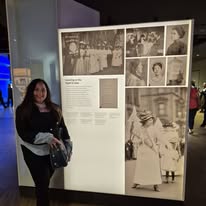
The back panel is designed to highlight the Women of Color of Suffrage that came before Alice to ensure women’s rights for equality. Native American Suffragist Marie Louise Bottineau Baldwin, Asian Activist Mabel Ping-Hua Lee, Latina Journalist Jovita Idar, African American Nannie Helen Burroughs and Alice Paul all featured for their dedication and resilience eliminating racial barriers and discrimination in voter rights.
These are women not commonly known or taught in textbooks, yet their stories are the legends that HOPE is based on. This emotional journey was a once in a lifetime experience and gives validation to organizations such as the Alice Paul Center for Gender Justice to continue education through historic advocacy.
Each floor of the museum represents inspiration from President Obama’s famous speeches to Michelle Obama’s insight into leaving her footprint on all she created. The humility of his administration with global leaders to local citizens is the calling card of great leadership.
The replica of the Oval Office puts visitors in the middle of the historic seat where photos are encouraged. The display of the fashion worn by Michelle Obama was reminiscent royalty as each event was memorable and etched in our memories.
On August 1, 2008, Barrack Obama delivered his famous “Yes We Can” speech became a defining moment in his first presidential campaign. The words rang throughout his speech as a rallying cry for change, unity and HOPE. The “Yes We Can” creed connected the historic plight of civil rights, equality and progress across the nation.
The words of this creed are featured as the focal point in the exhibit as a perfect photo opportunity to join the movement. Reciting these three little words brings power and HOPE to everyone that stands in the exhibit further creating a unified experience for all that visit.
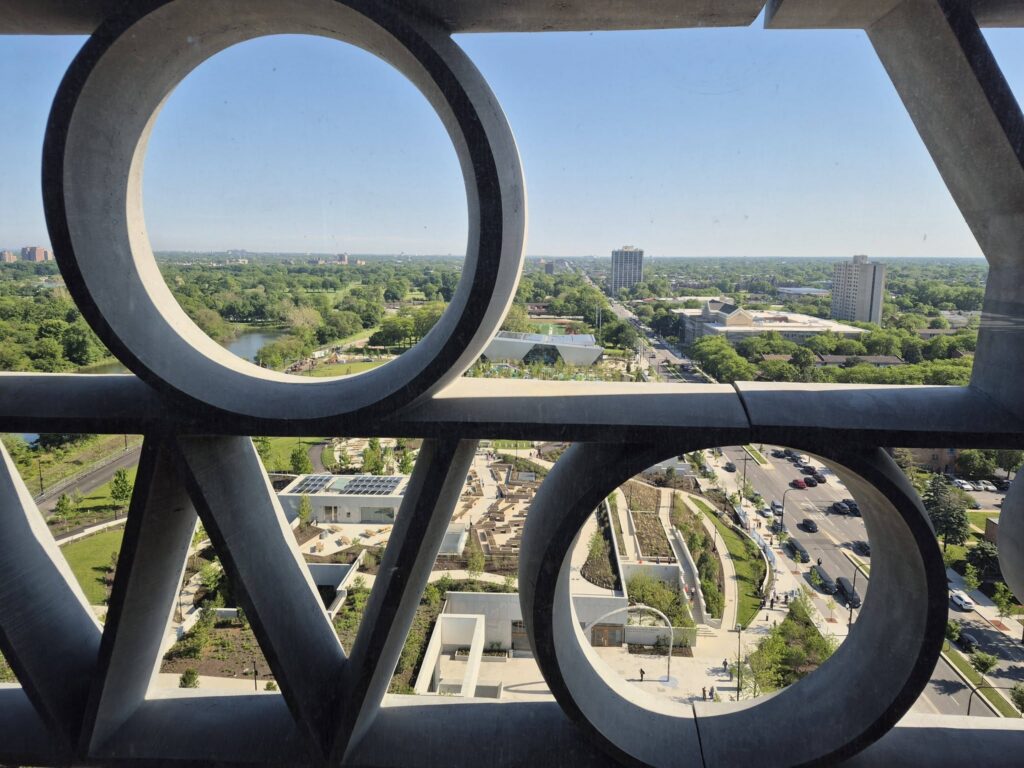
The Eighth Floor is the crown jewel of imagery with the magnificent view of the suburbs of Chicago from the 360-degree observation tower. The scenic view through the passage of the 2015 “You Are America” speech commemorating the 50th Anniversary of the Selma Civil Rights marches displayed at the top of the museum is breathtaking.
The massive grandeur of each letter is of monumental proportion as the view reaches each corner of this historic landscape.
As we reflected on each floor, the history and heritage and the view from the top, we were flooded with emotion of those that continue to bring vision and compassion to everything they do. I reflected on my own heritage and the dreams that my grandmothers could see this exhibit with the same pride and humility I felt.
This is my ancestors’ wildest dream to share in history. It was a reminder that one person can make a difference, and someone has to be the first. In the face of adversity, we saw HOPE and for the short-sighted we saw the glorious view from the top.
As Michelle Obama references, “When they go low, we go high,” will live in our spirit forever. We embrace our history and acknowledge we have seen these tumultuous times before, yet we are reminded of the safe place and soft landing of HOPE and its home at the Obama Presidential Center.
EDITOR’S NOTE: Dr. June DePonte Sernak is the board chair of the Alice Paul Institute in South Jersey and Statewide Multicultural Leadership Officer at Center for Family Services in Voorhees.
Note from AC JosepH Media: If you like this story and others posted on Front Runner New Jersey.com, lend us a hand so we can keep producing articles like these for New Jersey and the world to see. Click on SUPPORT FRNJ and make a contribution that will go directly in making more stories like this available. You can reach Editor Clyde Hughes at chughes@acjosephmedia.com. Thank you for reading!
About Author