South Jersey Historic Sites Spotlight African Americans Role in Revolutionary War Ahead of Nation’s 250th Anniversary
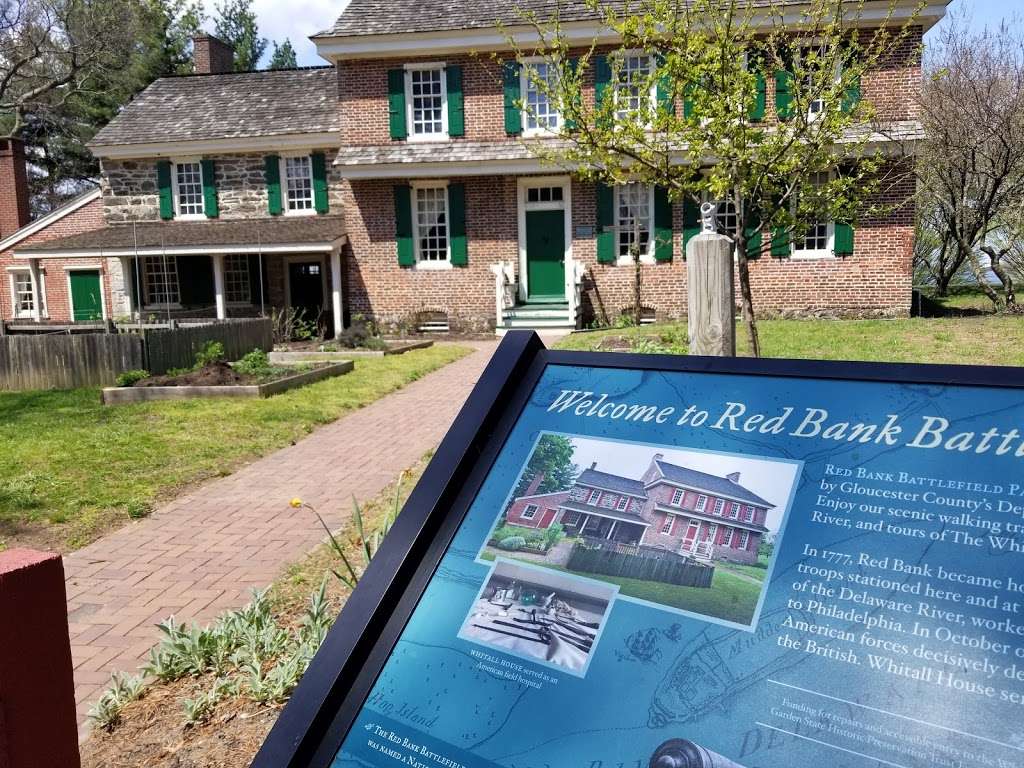
Image from the RedBank Battlefield in Gloucester County. Photo courtesy of the Gloucester County
BY REBECCA ACEVEDO | For AC JosepH Media
OCEAN CITY — As the nation celebrates its 250th anniversary in 2026, historic sites from Cape May to Camden are offering fresh opportunities to explore a Revolutionary War story long relegated to footnotes: the contributions of African Americans. During Black History Month, many sites are sharing little known facts about the role African Americans played in the fight for independence.
“African American men, women and children affected the American Revolution’s trajectory in a variety of roles, including as soldiers, spies, cooks, musicians, and by clearing the roads for soldiers. All of their stories play a role in understanding the Revolution,” said Noelle Lorraine Williams, African American history program and Black Heritage Trail director at the New Jersey Historical Commission.
According to the American Battlefield Trust, African Americans played a meaningful, if often overlooked, role in the Revolutionary War. They served from the first shots at Lexington and Concord through the final, decisive siege at Yorktown, filling the ranks of the Continental Army, the Navy, and privateer vessels alike.
Their service was so significant that in 1986, federal law authorized a memorial in Washington, D.C., to honor the estimated 5,000 Black men who fought for American independence. These soldiers served with distinction in integrated units and specialized regiments, often driven by the promise of personal freedom even as the institution of slavery persisted in all 13 colonies.
“From Revolutionary War soldiers who fought for unrealized freedoms to modern-day leaders transforming art, science and business, Black New Jerseyans’ legacies are inseparable from New Jersey’s story, and visitors can experience them all firsthand at heritage tourism sites and destinations across the state every day,” said New Jersey Lt. Governor Dale Caldwell in a press release. He added that there are many sites across New Jersey to learn about the influence of Black New Jerseyans in the Garden State.
Exploring the Black History Trail
In Burlington County, visitors can connect that broad history to a specific life: Oliver Cromwell, a free Black man born in what is now Mansfield Township. According to the Revolutionary War Journal, Cromwell enlisted in 1777 in the 2nd New Jersey Regiment and saw action at Short Hills, Monmouth, Brandywine, Springfield and Yorktown. He even crossed the Delaware with George Washington. Cromwell’s story is one of the clearest local examples of Black military service in the Revolution.
At Red Bank Battlefield Park in National Park, Gloucester County, visitors can explore the site of Fort Mercer, where Continental forces repelled an assault by British-aligned Hessian troops in 1777. The victory was significant for the defense of the Delaware River, and modern interpretive materials on-site now highlight the integrated nature of the American forces present.
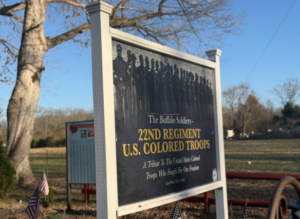
The defense included the 1st Rhode Island Regiment, recognized as one of the few integrated units of the Revolutionary War. Composed of Black, Indigenous, and white soldiers, the regiment played a documented role in holding the fort against the Hessian advance.
“Unfortunately, even though many were promised freedom, they were forced back to enslavement. If they were freed, many African Americans did not receive a pension for their service,” said Williams.
In Camden County, the legacy of the Revolution extends into the postwar development of vibrant Black communities. The Peter Mott House Underground Railroad Museum in Lawnside anchors stories of resistance and freedom long after the Revolution,tracing a line from 18th century struggles to later efforts to aid those escaping enslavement.
To honor these early pioneers, the Camden County Board of Commissioners installed a historical marker in front of the Wayne R. Bryant Community Center. This site, part of the county’s American Revolution heritage trail, specifically recognizes the contributions of the Rhode Island Regiment, Oliver Cromwell, and Colonel Tye.
In Atlantic County, several battles were fought during the Revolution that likely included Black soldiers.
Further south, Historic Cold Spring Village in Cape May County preserves recreated 18th century buildings and interpreters discuss how slavery was part of everyday life here as the war unfolded. The site’s programming interprets Black history through the lens of the local maritime and agricultural economy.
For residents and visitors alike, South Jersey offers living history sites where stories once pushed to the margins can now be explored more fully.
New Jersey also recently launched a podcast that looks at the history of the state. Williams said, “As part of the series’ commitment to tell the whole history of New Jersey, Black history plays a central role throughout the series, introducing listeners to various people, places, things, and events that changed the world.”

Rebecca Acevedo is CEO and co-founder of Shell Ace Coaching and Consulting, a boutique agency that provides career coaching, fractional communication, and marketing leadership to businesses and nonprofits. She brings more than 20 years of experience in storytelling, public relations, crisis management, financial communications, and thought leadership. Acevedo has worked for companies such as WHYY, Zelle, and J.P. Morgan Chase. She can be reached at rebecca@shellaceco.com.
Note from AC JosepH Media: If you like this story and others posted on Front Runner New Jersey.com, lend us a hand so we can keep producing articles like these for New Jersey and the world to see. Click on SUPPORT FRNJ and make a contribution that will go directly in making more stories like this available. You can reach Editor Clyde Hughes at chughes@acjosephmedia.com. Thank you for reading!
About Author