Rutgers-Camden Africana Studies Program Expands Offerings

Public domain photo of Rutgers University-Camden Campus from Wikimedia Commons.
AC JosepH Media
CAMDEN — Rutgers University-Camden’s Africana Studies program is expanding its academic and cultural offerings as it seeks to grow enrollment in both its major and minor programs while providing students with deeper opportunities to explore the histories, cultures, politics and artistic traditions of people of African descent.
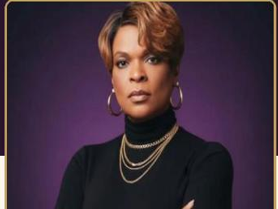
According to Dr. Christina Jackson, director of Africana Studies and assistant professor of sociology, the program is highlighting a blend of coursework and community-based events designed to engage students inside and outside the classroom.
As registration opens for upcoming semesters, Africana Studies faculty are encouraging students from all disciplines to consider adding courses, a minor or a major to their academic programs.
One of the program’s featured events this fall is the Music of the Diaspora Performance & Talk Back with Amari Rebel & The Movement, scheduled for Nov. 16 from 5 p.m. to 7 p.m. in the Campus Center Multi-Purpose Room A.
The event will combine music, food and discussion, creating an opportunity for students and community members to engage in conversations about African diaspora culture through performance and dialogue.
The cultural event reflects a broader mission of the Africana Studies program: connecting academic study with lived experiences, artistic expression and community engagement. Rutgers-Camden’s Division of Impact and Community Engagement is partnering with the program on the presentation.
In addition to cultural programming, the department is promoting two core Africana Studies courses that program leaders say have generated strong student interest.
Those courses include Introduction to Africana Studies, and Pre-Colonial Africa, taught by Dr. Kevin Anglade. According to Jackson, students have responded positively after hearing faculty presentations and learning more about the curriculum.
The Pre-Colonial Africa course offers an in-depth examination of African societies before European and Arab colonization. Students explore historical, political, economic and cultural developments across the continent, including languages, trade systems, traditions, social values and major empires that shaped African civilizations.
The course also examines regions across North, East, West, Central and Southern Africa, providing students with a broad understanding of the continent’s diversity before foreign intervention.
Beyond its in-person offerings, the program also provides online learning opportunities through courses such as African American Theater and Race, Politics and Religion, giving students additional flexibility in exploring Africana Studies topics.
Program leaders say many students may already be closer to earning a minor than they realize. Jackson noted that one student recently discovered they had already completed five Africana Studies-related courses and needed only one additional course to qualify for a minor.
The example highlights how students across a variety of majors may already be engaging with Africana Studies content through interdisciplinary coursework.
The department is actively rebuilding and expanding its student base following the graduation of several majors. Faculty members are encouraging interested students to connect directly with the program to learn more about academic pathways, career opportunities and the value of studying the African diaspora in an increasingly interconnected world.
Students interested in declaring an Africana Studies major or minor can contact the Rutgers-Camden Registrar’s Office by email or visit the university’s One Stop Student Support Center for assistance.
Jackson also encourages students to reach out directly to discuss academic options and program requirements.
As Rutgers-Camden continues to emphasize diversity, cultural understanding and community engagement, the Africana Studies program is positioning itself as both an academic discipline and a hub for conversations about history, identity, culture and social change.
Through courses, events and mentorship opportunities, the program aims to help students better understand the experiences and contributions of African-descended peoples across the globe.
Note from AC JosepH Media: If you like this story and others posted on Front Runner New Jersey.com, lend us a hand so we can keep producing articles like these for New Jersey and the world to see. Click on SUPPORT FRNJ and make a contribution that will go directly in making more stories like this available. You can reach Editor Clyde Hughes at chughes@acjosephmedia.com. Thank you for reading!
About Author