Opinion: U.S. Supreme Court Leaves Voting Rights Act Essentially Defenseless

OPINION
BY CLYDE HUGHES | AC JosepH Media
The U.S. Supreme Court’s decision this month in Louisiana v. Callais has left the Voting Rights Act of 1965 more vulnerable than at any point in its 59?year history, and crushing the hopes of Black and other politicians at the same time.
In a stunning reversal, the Court ruled that a congressional map it had previously allowed Louisiana to use — one that preserved two majority-Black districts — now constitutes unconstitutional racial gerrymandering.
Louisiana is 32 percent Black and 57 percent white, yet white voters control five of the state’s six congressional districts.
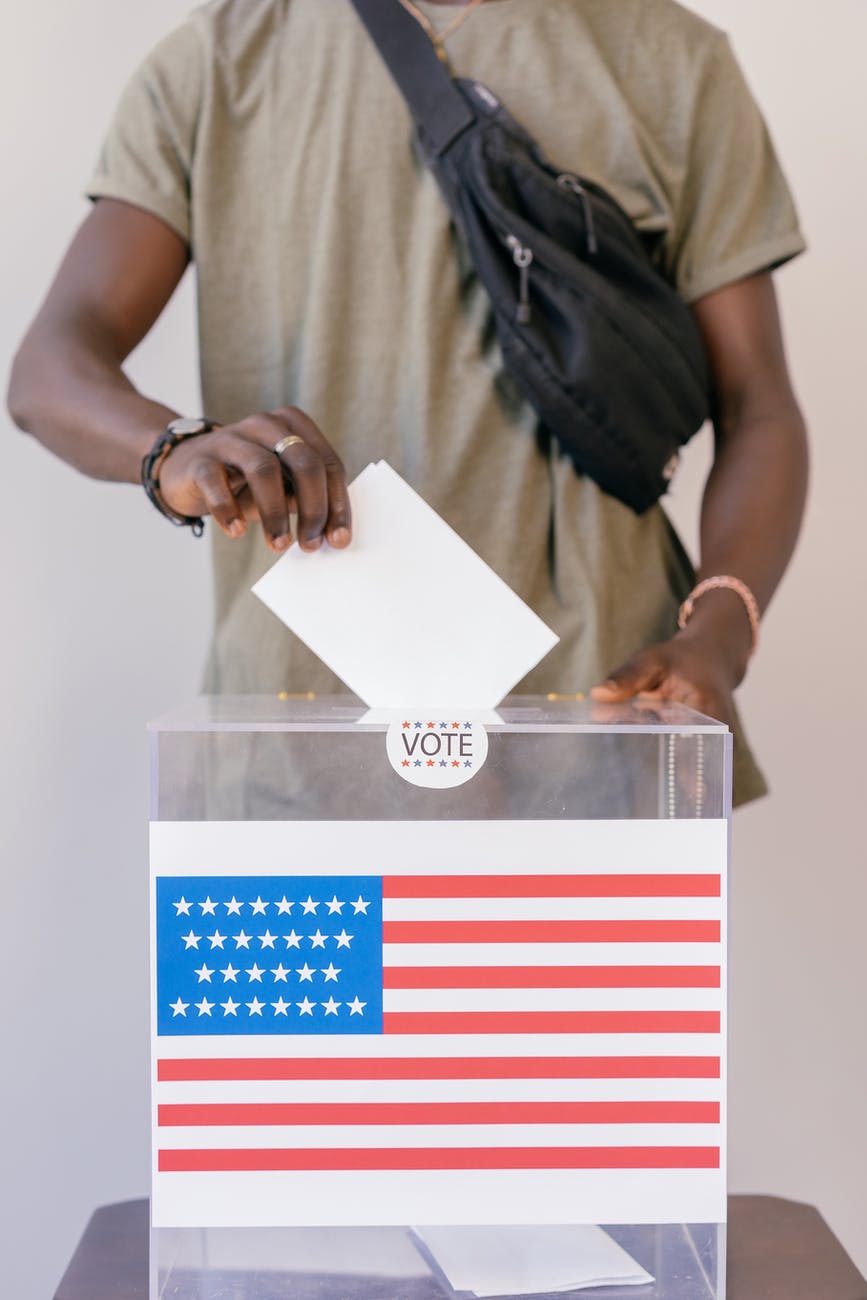
For years, Black residents in Cajun Country have argued that they deserve a second district where they could realistically elect a candidate of their choice, especially given that racial voting patterns in the South have barely shifted since the Civil Rights Movement.
That second district only existed because of earlier Supreme Court rulings. Now, the Court has pulled the rug out from under it.
To make matters worse, the Court is allowing states to change their maps before the midterm elections — breaking with long-standing judicial practice meant to avoid voter confusion and administrative chaos. In Louisiana, mail-in ballots had already been sent and early voting had begun.
How will the state fix this? By refusing to count the congressional votes already cast, redrawing the maps, and forcing taxpayers to fund yet another election. What could possibly go wrong? Voters did everything right, and they are the ones paying the price.
Tennessee wasted no time following Louisiana’s lead. This week, lawmakers dismantled the state’s lone minority-opportunity district — one long protected under the Voting Rights Act — by carving Memphis into three separate districts. The result all but guarantees representation by three White members of Congress.
This is exactly the kind of racial dilution the Voting Rights Act was designed to prevent. As a son of the Deep South (born and raised in Texas) and a former neighbor to Louisiana, this is personal.
“My bottom line has changed very little from my first impression of Callais: It is a singularly horrendous decision, which misunderstands what the Constitution requires in this context and directly contradicts the text and purpose of the Voting Rights Act,” wrote Edward Foley, a constitutional law professor at The Ohio State University, in a column for SCOTUSblog.

There is now virtually nothing stopping legislators’ intent on erasing Black and Brown political representation across the country. Judging by the speed at which some states are moving, it’s clear they have been waiting for the Voting Rights Act’s demise for a long time.
People died to secure the Voting Rights Act. It is a stain on the memory of the Mississippi Freedom Summer workers, and on the legacy of Bloody Sunday in Selma, to see the Supreme Court issue such a sweeping decision with so little regard for history or context.
The Voting Rights Act was one of the most consequential pieces of legislation passed in a century. It broke the back of Jim Crow and opened the door for Black Americans to participate fully in the democratic process.
Today, that door is closing again.
We can only hope the future brings a course correction — before the damage becomes irreversible.
Follow Us Today On:
Note from AC JosepH Media: If you like this story and others posted on Front Runner New Jersey.com, lend us a hand so we can keep producing articles like these for New Jersey and the world to see. Click on SUPPORT FRNJ and make a contribution that will go directly in making more stories like this available. You can reach Editor Clyde Hughes at chughes@acjosephmedia.com. Thank you for reading!
About Author