Judge Jason Witcher Testifies About His Personal Pain and Purpose in Book ‘All Rise’

Photo courtesy of Jason Witcher
BY CLYDE HUGHES | AC JosepH Media
ELMER — For trailblazing former Municipal Court Judge Jason Witcher, writing a book was never part of a career plan.
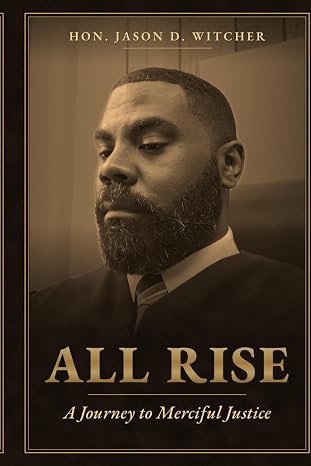
The former South Jersey jurist says “ALL RISE: A Journey to Merciful Justice” began as a personal record for his children and grandchildren, a legacy project intended to preserve the story of a life that took him from troubled beginnings to the bench of a historic New Jersey courtroom.
Now with more than 1,000 books sold weeks before his first book signing, Witcher told Front Runner New Jersey.com that he his humbled that his story is resonating with so many.
“Writing the book was therapeutic, and I pray its honesty helps others navigate their own struggles,” Witcher said to FRNJ.. “The purpose is the message, not the money; I priced it so I don’t earn a penny. I wanted to be transparent about the difficult parts of my journey in the hope that someone else feels less alone in theirs.”
Witcher made national headlines in 2023 when he publicly questioned the treatment of Latinos in the courtroom, resulting in a ferocious backlash from other judges. Witcher’s principled stance led him to leaving the bench and filing a lawsuit, which is set tentatively to be heard next year.
Today, Witcher said he is ready to write the next chapter in his life while writing about his past issues with depression, fatherhood, faith, justice and the cost of standing up for what one believes is right.
He was the first African American to serve as a municipal court judge in the history of Salem and Cumberland counties. He was often asked-for public speaker for young people with his journey resonating around the region.
Released in October, the 314-page memoir traces Witcher’s journey from a childhood marked by questions of identity and belonging to a judicial career dedicated to what he calls “merciful justice.” According to the book’s publisher description, Witcher explores personal struggles with grief, depression and self-doubt while examining how those experiences shaped his understanding of justice and compassion.
“I wrote it initially for my kids and my grandkids,” Witcher said in an interview with Front Runner New Jersey. “Then I realized this was something I could share because it’s pretty transparent about some stuff, especially things that affect men and Black men in particular, including alcohol, depression and fatherhood.”
A Story Bigger Than One Man
Witcher admits he was surprised by the response.
Having been off the bench for several years, he said he did not expect readers to be interested in his life story. Yet within days of publication, the memoir generated significant attention among readers, particularly those connecting with his candid discussion of mental health and family struggles.
The themes resonating most with readers, he said, are depression and fatherhood.
Witcher openly discusses battling depression since his twenties and argues that seeking treatment should carry no stigma.
“Depression isn’t something that stops you from being successful,” he said. “It’s important to get help for it like any other illness.”
He also writes about growing up without a consistent father figure and the emotional impact that absence had on his life. Those experiences, he said, helped shape his view of the people who appeared before him as a judge.
The title itself reflects a philosophy developed throughout his judicial career. Witcher often describes his approach as “merciful justice,” a belief that courts must balance accountability with humanity. He argues that judges should recognize that defendants are more than case files and often carry burdens and traumas of their own.
That perspective, he said, grew directly from his own experiences overcoming adversity.
Hall of Fame Homecoming
Just weeks before discussing his memoir, Witcher received what he calls the greatest honor of his life.
The former judge was inducted into the Willingboro High School Hall of Fame, recognition that he says surpassed every other professional award or accolade he has received.
“For me, without question, it was the greatest honor I have ever received,” Witcher said.
The induction prompted reflection on a journey that began on the streets of Willingboro, where he struggled as a young person with alcohol and family challenges before eventually becoming an attorney, judge and community leader.
Standing among a select group of distinguished graduates, he said, forced him to appreciate how far he had come.
“It was overwhelming,” he said. “To come back home and be honored by my hometown was amazing.”
Witcher believes the Hall of Fame recognition also helped convince him that his story was worth sharing publicly.
“I think that played a part in me releasing the book as well,” he said. “Really realizing, ‘Hey man, what you have done means something, and you should tell people.’”
From Memoir to Ongoing Battle
Yet the memoir arrives while another chapter of Witcher’s story remains unfinished.
The former judge is currently involved in ongoing litigation against New Jersey judicial officials, a legal battle he says stems from actions he took while serving on the bench involving Latino defendants and broader concerns about how cases were handled in court. During the interview, Witcher described the dispute as a four-year fight that he believes exposed troubling issues within the state’s judicial system.
According to Witcher, the controversy grew beyond a local Cumberland County courtroom and ultimately involved high-ranking members of the New Jersey judiciary. He alleges that his efforts on behalf of Latino residents contributed to the actions taken against him, claims that remain the subject of litigation.
While careful not to discuss details that could affect the case, Witcher argues that the dispute reflects the same principles explored throughout All Rise.
“I took a stance for justice for people who maybe couldn’t speak for themselves,” he said. “That cost me a lot.”
Looking Forward
Despite the legal battles and personal struggles chronicled in his memoir, he says the book’s ultimate message is one of hope.
“Pain doesn’t stop purpose,” he said. “Sometimes it’s the basis for finding purpose.”
That message, more than any courtroom ruling or professional title, may be the legacy Witcher hopes readers take from All Rise.
The story is not simply about becoming a judge. It is about surviving depression, confronting painful family history, overcoming adversity and choosing principle over comfort.
And for Jason Witcher, the final chapter has yet to be written.
Follow Us Today On:
Note from AC JosepH Media: If you like this story and others posted on Front Runner New Jersey.com, lend us a hand so we can keep producing articles like these for New Jersey and the world to see. Click on SUPPORT FRNJ and make a contribution that will go directly in making more stories like this available. You can reach Editor Clyde Hughes at chughes@acjosephmedia.com. Thank you for reading!
About Author