Lawnside Begins Historic 100-Year Municipality Celebration on March 24
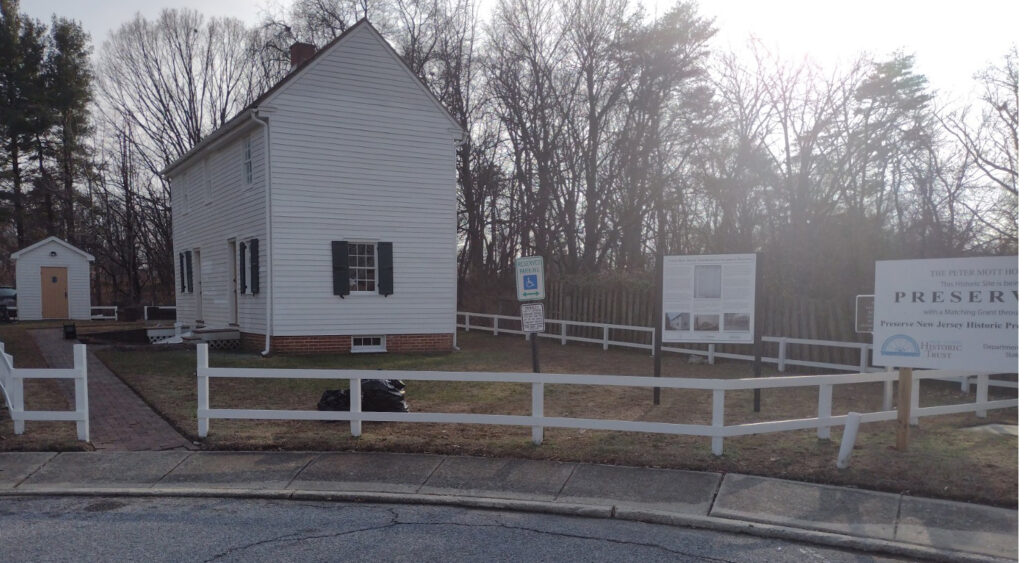
Image of Peter Mott House in Lawnside. Photo courtesy of Lawnside Historical Museum.
BY CLYDE HUGHES | AC JosepH Media
LAWNSIDE — The Borough of Lawnside has announced plans for its 100-Year Centennial Anniversary celebration, officially marking a century of history, resilience, and community pride on March 24.
Lawnside has an indelible place in Black History, recognized as America’s first incorporated Black self-governing municipality north of the Mason-Dixon Line. Before that, it was a major hub for the Underground Railroad, serving as a refuge for Black people escaping slavery in the South.
City officials said that the municipality stands today as a powerful symbol of strength, heritage, and unity.
“This Centennial milestone honors the generations of residents, leaders, and families whose contributions have shaped the Borough into the vibrant community it is today,” the borough said in a statement.
Under the theme, “Lawnside: A Century of Legacy. Honoring the Past and Building the Future,” the Centennial celebration will recognize Lawnside’s historic legacy and a vision for its continued growth and impact.
The borough will host a series of commemorative events, including community festivals, historical exhibits, cultural programming, youth activities, and special recognitions of longtime residents and local leaders.
The events are being developed in collaboration with more than 30 community leaders, organizations, businesses, and regional partners, officials said. A series of Centennial Community-Wide Meetings will give residents a continuing voice in the celebration. The next meeting will be held April 9 at 6:30 p.m. at the Borough of Lawnside Municipal Building, 4 Dr. Martin Luther King Jr. Road.
Current events scheduled include:
- June 19, 2026: Juneteenth Celebration tied to Lawnside’s Freedom Roots with the Black Heritage Trail Sign unveiling.
- June 27, 2026: Lawnside Heritage Day
- June 2- 26: Underground Summer Camp (Lawnside Historical Society)
- July 24-25, 2026: Centennial Ball
While Lawnside celebrates its 100th anniversary, its historic roots run far deeper. African Americans began settling in what is now Lawnside in the late 1700s, drawn by the protection and support of nearby Quaker abolitionists in Haddonfield and Gloucester County.
These alliances helped shield free Black residents from kidnapping and re-enslavement — a constant threat during that era. Methodist meetings were established as early as 1797, and in 1811 Bishop Richard Allen, founder of the AME Church, helped establish the congregation that would become Mount Pisgah AME Church, still a cornerstone of the community today.
The early residents worked as farmers, woodcutters, and domestic workers, building a self-sustaining community rooted in mutual aid and shared purpose. Their presence grew steadily, even as slavery persisted in New Jersey well into the 19th century.
The Peter Mott House in Lawnside, known in the 1800s as Snow Hill, is one of the most significant Underground Railroad landmarks in the state, offering a rare, preserved look into the life of a free Black abolitionist who used his own home as a refuge for freedom seekers. Maintained by the Lawnside Historical Society, it stands today as both a museum and a testament to Lawnside’s deep-rooted history as a free Black community.
Constructed around 1845, the house belonged to Rev. Peter Mott, a free African American preacher and Sunday School superintendent at Mount Pisgah AME Church. Mott and his wife, Elizabeth Ann Thomas Mott, used their home as a station on the Underground Railroad, sheltering enslaved people fleeing the South.
A Bold Declaration of Self-Governance
Lawnside’s incorporation in 1926 was more than a bureaucratic milestone — it was a declaration of autonomy. At a time when segregation and discrimination shaped daily life, Lawnside’s residents secured the right to govern themselves, manage their land, and build institutions that reflected their values. This made Lawnside the only historically African American incorporated municipality in the state, a distinction that continues to resonate.
A Legacy That Endures
Today, Lawnside remains a predominantly African American community, with about 75 percent of its population identifying as Black according to the 2020 Census.
Follow Us Today On:
Note from AC JosepH Media: If you like this story and others posted on Front Runner New Jersey.com, lend us a hand so we can keep producing articles like these for New Jersey and the world to see. Click on SUPPORT FRNJ and make a contribution that will go directly in making more stories like this available. You can reach Editor Clyde Hughes at chughes@acjosephmedia.com. Thank you for reading!
About Author