Growing South Jersey Hispanic Electorate Emerges as a Decisive Force Across Eight Counties
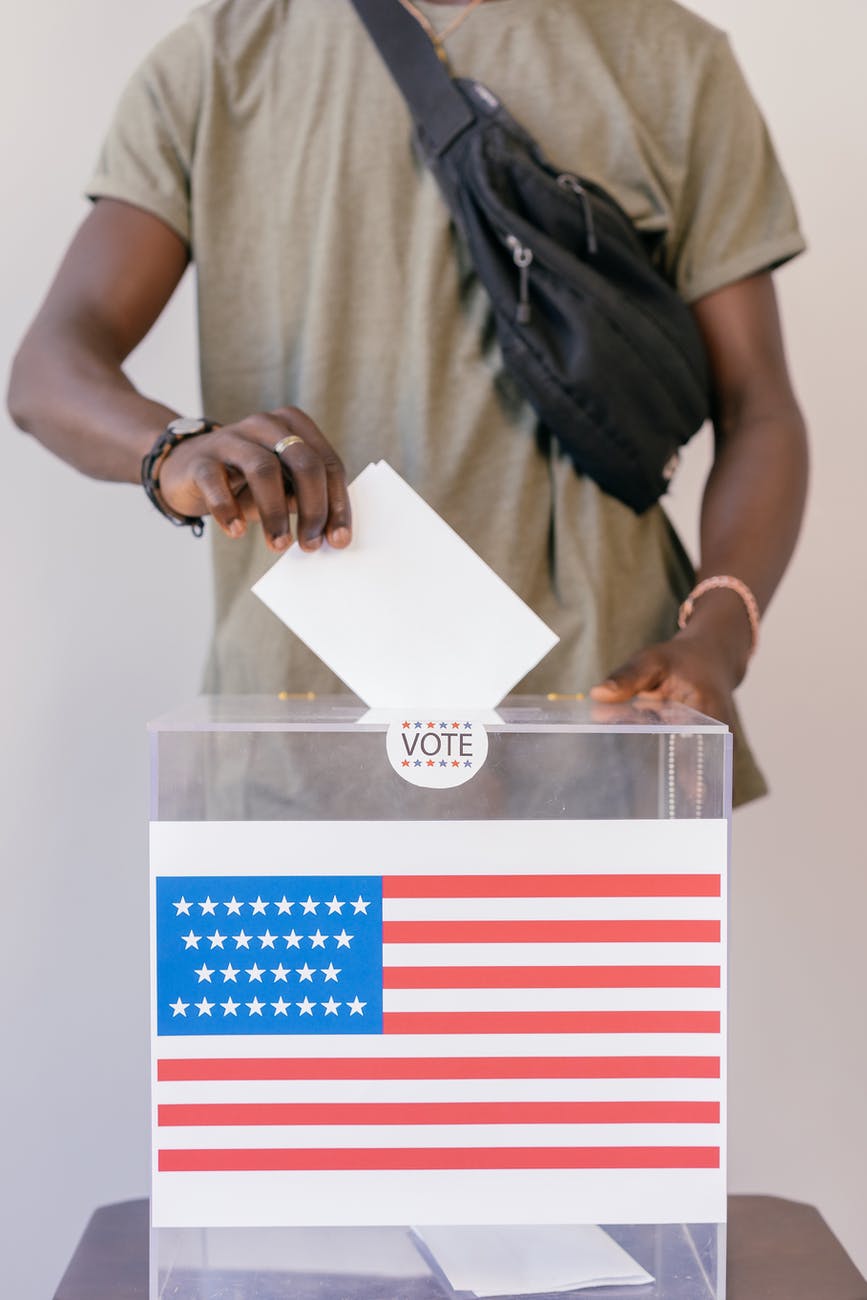
Photo by Mikhail Nilov.
AC JosepH Media
ATLANTIC CITY — As South Jersey prepares for the 2026 midterm elections, political strategists, candidates and community organizations are increasingly focused on one of the region’s fastest-growing and most influential voting blocs: the Latino community.
From the urban neighborhoods of Camden and Atlantic City to the agricultural communities of Cumberland and Salem counties, Hispanic voters are expected to play a pivotal role in determining the outcome of congressional, county and local races throughout South Jersey.
The region’s Latino population has experienced steady growth over the past two decades, transforming both its economic and political landscape.
Political observers say the question is no longer whether Latino voters matter in South Jersey. The question is whether candidates can effectively engage them on the issues that matter most.
A Community Whose Influence Continues To Grow
According to U.S. Census trends, Hispanic and Latino residents account for significant portions of the population in several South Jersey counties, particularly Cumberland, Camden, Atlantic and Salem counties. Communities with substantial Puerto Rican, Dominican, Mexican, Central American and South American populations have become increasingly organized through civic groups, churches, advocacy organizations and business networks.

Issues such as affordable housing, immigration policy, healthcare access, public education, small business development and workforce opportunities consistently rank among top concerns for Latino voters.
Community leaders say voter engagement has increased considerably since the 2020 election cycle, with many organizations focusing on year-round civic participation rather than election-season outreach.
Congressional Races Draw Attention
Several South Jersey congressional districts include large Latino populations and could be affected by voter turnout from Hispanic communities.

In New Jersey’s 2nd Congressional District, which covers Atlantic, Cape May, Cumberland, Salem and portions of Gloucester and Ocean counties, Republican incumbent Jeff Van Drew faces Democratic challenger Zack Mullock and independent Ramon Mora Jr. The district includes large Latino communities in Vineland, Bridgeton, Atlantic City and Pleasantville. [nj.gov], [2026election.com]
Vineland and Bridgeton, in particular, are home to some of the state’s largest Hispanic populations and have historically served as important centers of Latino political activity.
In the 1st Congressional District, covering Camden County and portions of Burlington and Gloucester counties, Democratic incumbent Donald Norcross faces Republican challenger Damon Galdo. Latino voters in Camden City, Pennsauken and surrounding communities are expected to remain an important constituency. [nj.gov], [2026election.com]
Meanwhile, the 3rd Congressional District includes parts of Burlington County and is represented by Herb Conaway Jr., a prominent African American physician and congressman seeking reelection. Conaway faces Republican Michael McGuire and additional independent candidates. [nj.gov], [2026election.com]
Candidates of Color on the Ballot
The 2026 election cycle features several candidates of color in races affecting South Jersey voters.
Among the highest-profile is U.S. Sen. Cory Booker, one of the nation’s most recognizable Black political leaders, who is seeking another term in the Senate. Booker faces Republican nominee Justin Murphy. [cbsnews.com], [2026election.com]
Independent Senate candidate Veronica Fernandez is also appearing on New Jersey’s statewide ballot, bringing Latino representation to the federal race. [cbsnews.com], [election2026.net]
At the county and municipal levels throughout Camden, Atlantic, Cumberland and Gloucester counties, numerous Latino and African American candidates are expected to compete for local offices, reflecting the increasing diversity of South Jersey’s leadership pipeline.
There are numerous city, school board and other municipal races — in Bridgerton, Atlantic County Commissioners, Hamilton Township and Egg Harbor Township, to name a few — that feature candidates of color. These positions are often launching pads to greater positions.
Issues May Matter More Than Party Labels
Political analysts note that Latino voters in South Jersey do not constitute a monolithic voting bloc.

Puerto Rican voters in Camden may prioritize different issues than agricultural workers in Cumberland County or small business owners in Atlantic County. Economic opportunity, public safety, quality schools and healthcare affordability consistently rank among top concerns, regardless of party affiliation.
“The Latino vote is often discussed as if it were a single constituency, but South Jersey’s Hispanic communities are incredibly diverse,” said one regional political consultant. “Candidates who take the time to understand those differences will have an advantage.”
The Future and the Latino Vote
With congressional races, county offices and local contests on the ballot, both Democrats and Republicans are investing more heavily in Hispanic outreach than in previous election cycles.
Follow Us Today On: