Let’s Talk About What Matters: The Power of Social Connection
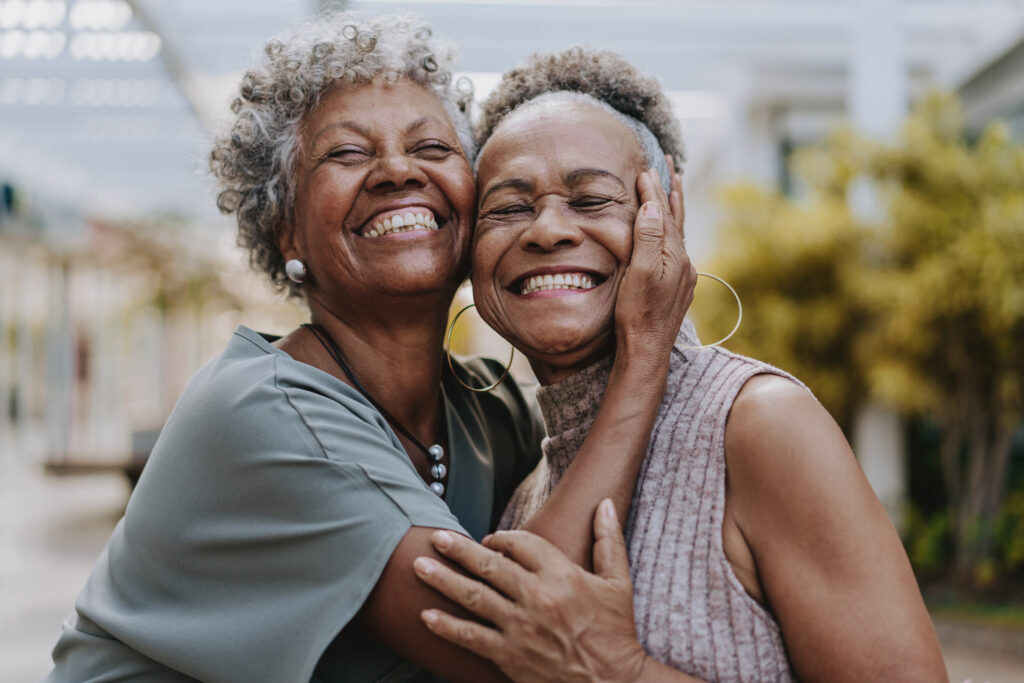
Photo courtesy of Samaritan.
BY ERIKA THOMAS | Director of Social Connections, Samaritan
September is Healthy Aging Month, so let’s take this moment to ask ourselves — what does it mean to truly age well?
We often associate healthy aging with physical health — staying active, eating well, managing chronic conditions, and keeping up with regular medical care. But there is another important part of our well-being that deserves just as much attention: staying connected.
As we age, our social circles naturally change. Retirement, the loss of a spouse or close friends, children moving away, changes in mobility, or a serious illness can make it more difficult to maintain the relationships that once came so naturally. For some, these changes can lead to loneliness or social isolation.

These days, you may often hear of loneliness referred to as an “epidemic.” Increasing numbers of Americans report feelings of isolation and insignificance. In New Jersey, the Department of Human Services found that 2.3 million residents — or 1 in 4 people — across all age groups, income levels, and backgrounds suffer from loneliness and social isolation in our communities.
There is clear, strong evidence that shows these issues affect both physical and mental health.
A 2023 report by the U.S. Surgeon General reported that chronic loneliness and social isolation can increase a person’s risk for developing dementia by about 50%. The same report indicated a 29% higher risk of premature death. Isolation also increases the risk factor for diseases including heart disease, stroke, diabetes, and more.
Being alone and feeling alone are not necessarily the same thing. But both can affect how we experience our lives and our health. That is why staying connected — and helping others stay connected — is so important.
Connection does not have to mean having a large social circle or filling every day with activities. It can be as simple as calling a friend, sharing a meal, joining a community or faith group, or asking someone to stop by for a cup of coffee. For individuals who have difficulty leaving home or are living with serious illness, caregivers, volunteers, and care teams can also play an important role in creating opportunities for meaningful connection.
Sometimes, the greatest gift we can give another person is simply our presence. Families and caregivers can make an enormous difference by listening to a story, sharing a memory, laughing together, or sitting quietly alongside someone to remind them that they are seen, valued, and not alone.
Recognizing and promoting the importance of connection (and addressing issues to reduce social isolation) is the focus of the Social Isolation, Loneliness & Connection Collaborative (SILCC). Samaritan convened this coalition of major health systems and more than 40 nonprofits in the region to educate the public about the dangers of social isolation and to create new partnerships to work together to support improved connections.
The work of SILCC is so important, not just to ensure our aging loved ones are taken care of, but to ensure our community of South Jersey stays strong, vibrant, and connected. Social isolation is not just a social issue, but a health issue. When we help our families and neighbors to feel connected, we’re improving our community’s overall health.
As we recognize Healthy Aging Month, let’s remember that aging well is not just about more than adding years to life. It is also about adding meaning, companionship, and connection to those years.
If you find that you are passionate about this topic, I invite you to join us at SILCC’s Inaugural Social Connections Conference, coming this December.
Whether you are a caregiver, a healthcare provider, a policymaker, a social worker, working in human services, a student, or just interested in building a community with strong connections — come help us make lasting social connections for our neighbors. You can find conference information and tickets at www.samaritannj.org/conference.
Follow Us Today On: